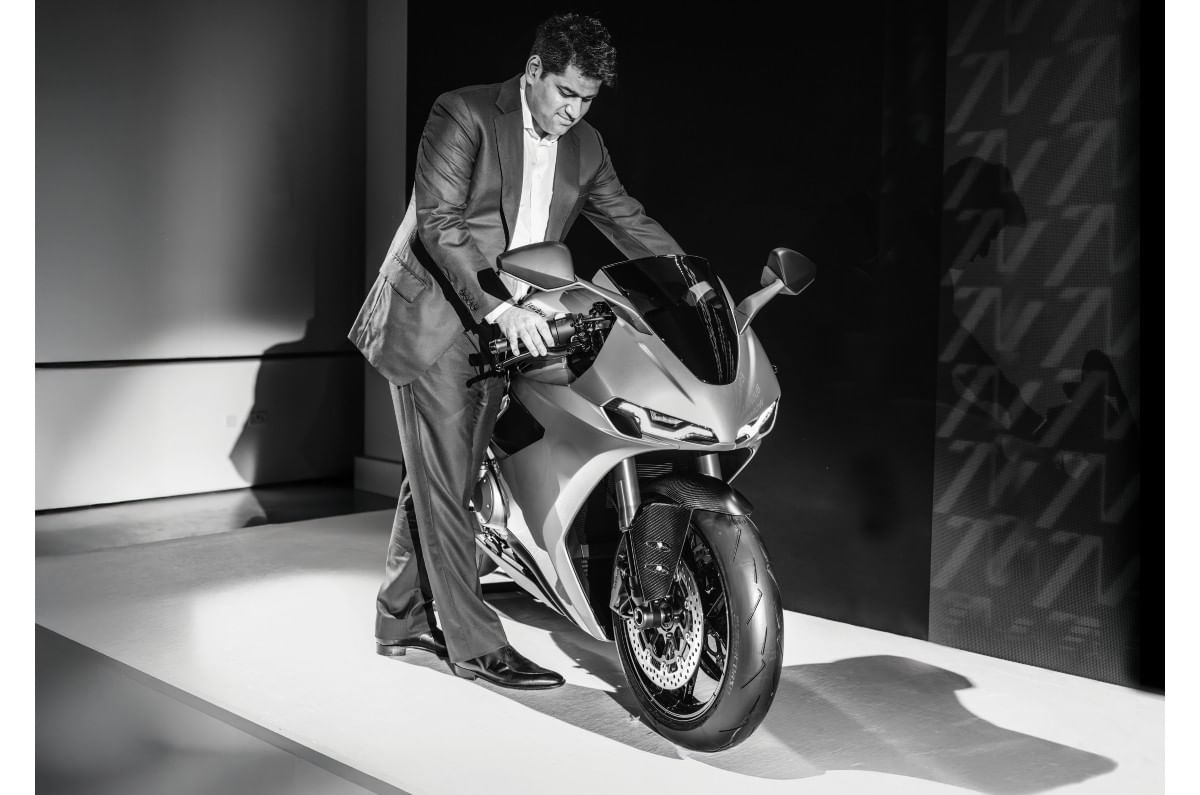
After five years and over Rs 230 crore invested, TVS’ grand resurrection of British brand Norton has come to fruition, with four new models unveiled and two more to be revealed over the latter half of 2026.
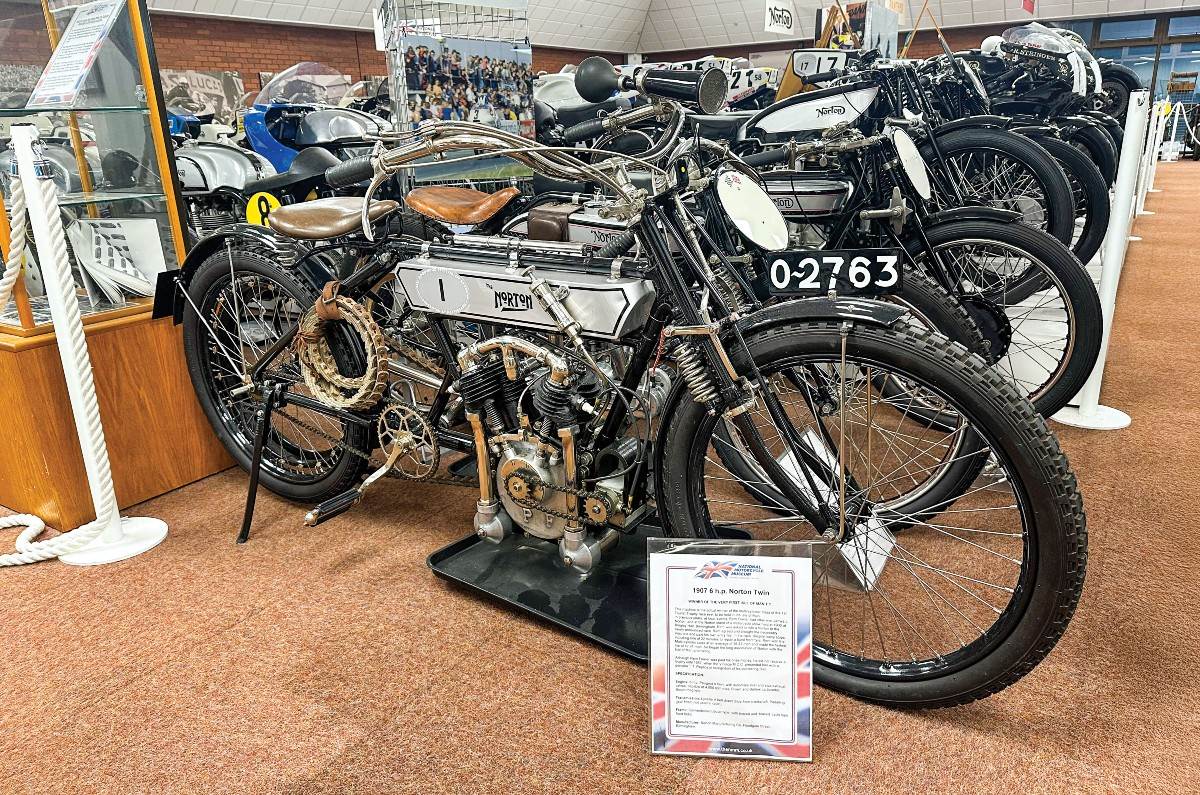
What’s interesting is the route that TVS has decided to take with bringing this 127-year-old British icon back to life, and it’s probably not what many would have expected. After all, there isn’t a single retro-styled bike in the new line-up – so far, at least.
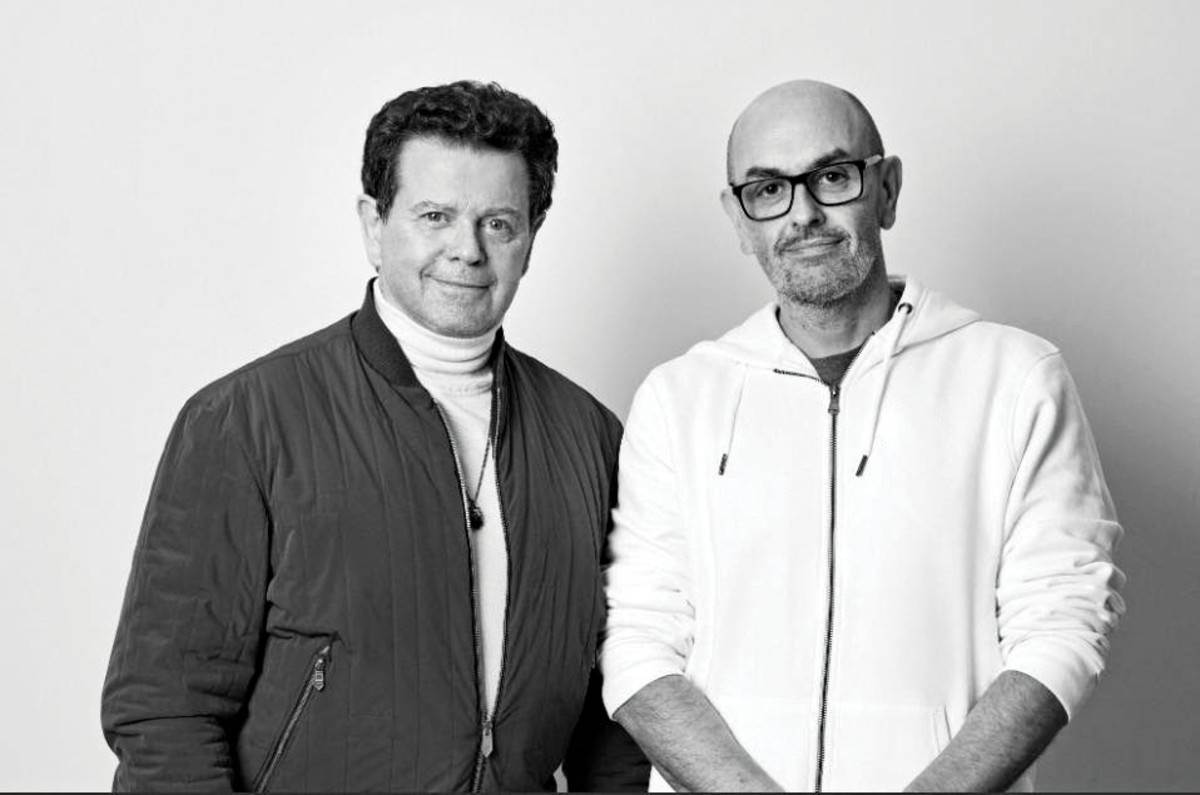
TVS chairman and MD Sudarshan Venu tells us that this was a very carefully considered decision. “Norton is a brand that has a tremendous heritage with incredible stories, and we felt we could bring this forward in a very modern way, yet remain true to the values of Norton. We will maintain the British character in the sense of dynamism, design and detail, and the brand vision will be to take those elements forward in a modern and exclusive way.”
An example of this exclusivity is in the brand-new engines, both the 1,200cc V4 and the parallel twin in the Atlas. While the latter’s engine is born off the base architecture from the 420cc parallel-twin engine that TVS has co-developed with BMW, it is, in fact, almost entirely different. The differences go all the way down to the crankshaft and cylinder head designs as well as having a much higher 585cc capacity.
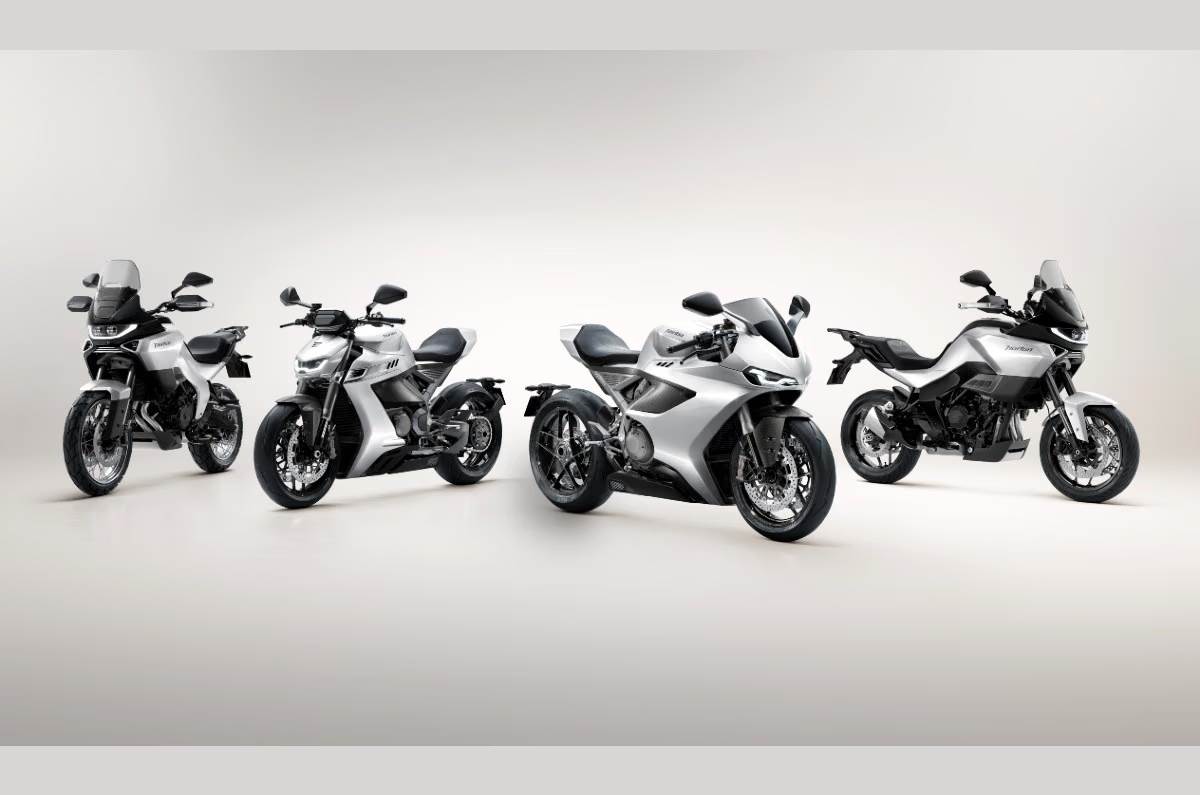
Venu stresses on the fact that all Norton motorcycles will have their own unique engines and characteristics. Torque and rideability will be important differentiating factors for Norton motorcycles, as well as advanced electronics and rider aids. This can be seen in the V4’s segment-leading 130Nm torque figure, as well as the large 8-inch TFT on all four models.
To facilitate all of this, TVS has set up a truly global team at Norton’s new Solihull facility, which includes industry experts like chief technical officer Brian Gillen, who was formerly heading R&D at MV Agusta. There are also a number of key personnel from TVS, including company veterans Meghashyam Dighole and Manu Saxena.
Design head Simon Skinner has continued from the previous administration, where he has held the same role since 2009. However, the brand’s all-new design philosophy has been guided by chief creative advisor Gerry McGovern, the head of JLR design, who is also behind the much-talked-about new Jaguar design identity.
Skinner tells us that the objective with the latest Nortons is to achieve a modern and reductionist design theme, where less is more, but with particular attention paid to the finer details and finishes. It’s why you won’t see things like aerodynamic wings, but clean and carefully sculpted surfaces in their place.
This new design philosophy might come across as polarising at the start, especially for those who have a certain expectation of what Norton motorcycles should traditionally look like. A closer look does reveal that there are some very nicely executed details and material finishes within these bikes, but it will be interesting to see the public’s reaction to this new design direction.
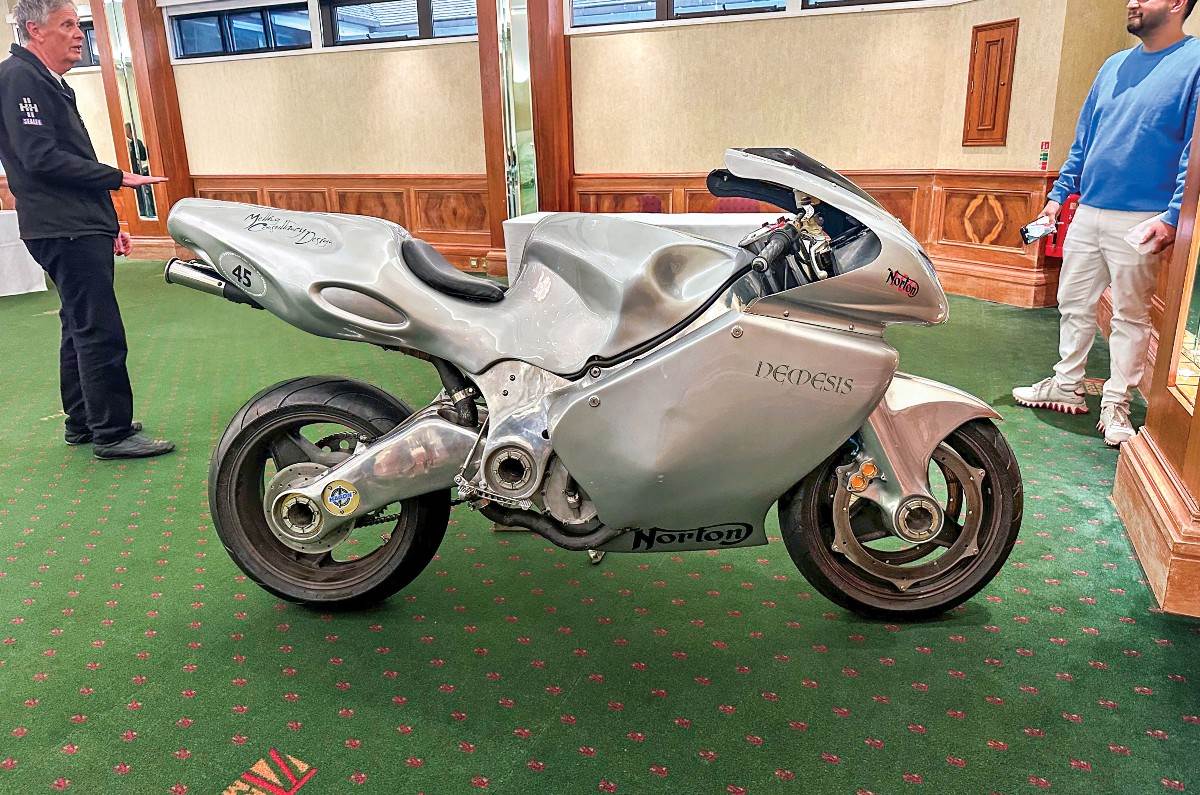
What is likely to have more universal appeal is that the new-age Nortons will be more attainable. The previous V4 models used to cost about double the price of an equivalent Ducati superbike, but the new Manx models should be priced much more competitively. Far more relevant is that, while the Manx will be assembled in the UK (with components, including the engine, coming from India), the Atlas range will be fully manufactured in Hosur, which should result in exciting pricing.
The company plans to have these vehicles on sale by the first half of 2026 in key markets like the USA, UK, Europe and India as well. The aim is to have over 200 touchpoints operational globally, with a good number of them being in India. Some of these outlets will be exclusively for Norton, but others will also include the top-end TVS vehicles like the new Apache RTX 300 and the X electric scooter.
Also See: Norton working on new 450cc single-cylinder models for 2026 debut